
What is Early Builder Involvement and Why Does it Matter?
A common reason residential projects drift off course is that the builder enters too late. By the time pricing begins, the design may already include structural complexity, material selections or site assumptions that are difficult to revise without delay, redesign, or added cost.
Early builder involvement changes that sequence. It brings construction thinking into the pre-construction phase, while design decisions are still flexible and before the documentation package is locked in.
What early builder involvement actually means
Early builder involvement means engaging the builder during design and pre-construction, rather than waiting until drawings are complete and ready for tender or fixed pricing. In practice, that usually includes buildability input, preliminary cost advice, programme considerations, consultant coordination, and early review of site-specific constraints.
This is not about handing design control to the builder. The architect remains responsible for the design intent, but the builder contributes practical construction knowledge at the point where it can still improve the outcome.
For homeowners planning a custom home or major renovation on the Mornington Peninsula, that input can be particularly useful. Site fall, coastal exposure, access constraints, planning overlays, and latent conditions in existing homes can all affect how a project should be documented and sequenced.
Why timing matters in pre-construction
The earlier a builder is involved, the easier it is to test decisions before they become expensive to change. A wall can be shifted on a sketch with relatively little consequence; the same change during detailed documentation or construction can affect consultants, approvals, procurement, and programme.
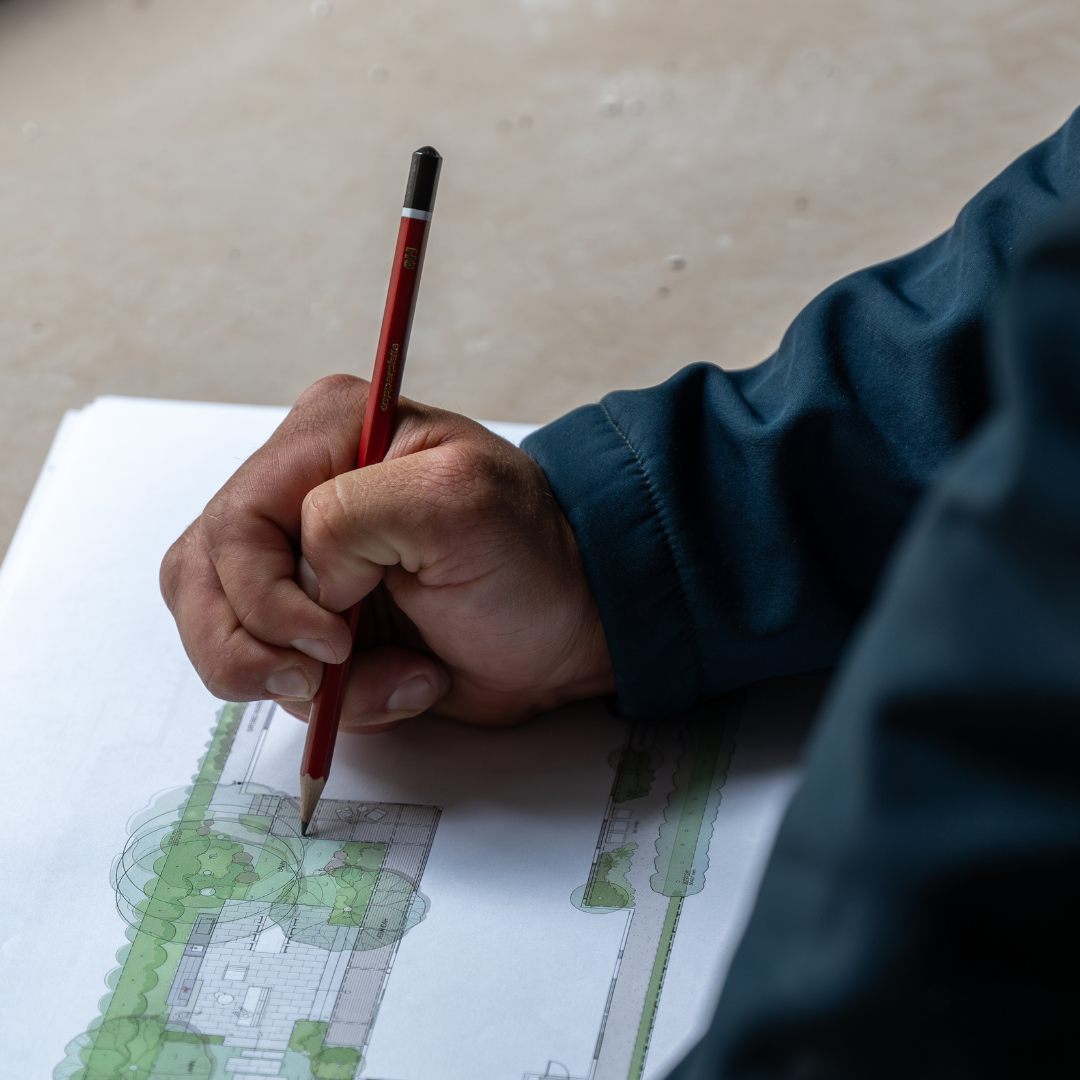
This is where pre-construction has real value. Eighth Degree Homes describes its pre-construction support as a structured stage that helps clients move from early planning through to site readiness, which aligns closely with the purpose of early builder involvement.
At this stage, the builder can flag likely cost pressure points, identify documentation gaps, and advise where design intent and construction methodology need stronger alignment. That tends to support better informed decision-making before contracts and site mobilisation begin.
How it improves cost and buildability
One of the main benefits of early builder involvement is that cost advice becomes part of design development rather than a reaction at the end. Instead of reaching full documentation and then discovering that key elements exceed the intended spend, the team can review scope, materials, structural systems, and sequencing while there is still room to adjust.
That does not mean every project becomes simpler. It means complex elements are assessed earlier, with a more realistic understanding of what they involve to build.
Buildability matters just as much as cost. A design can be resolved on paper but still present avoidable difficulties on site, whether through access limitations, inefficient structural layouts, difficult staging in a lived-in renovation, or material selections unsuited to the conditions. Early builder input helps identify those issues before they are embedded in the documents.
This is especially relevant for homeowners deciding between renovation and rebuild pathways, or planning substantial work to an existing house. Unknown conditions, temporary works, and the relationship between old and new structure are much easier to plan for when the builder is involved before documentation is finalised.
What collaboration looks like in practice
A well-run early builder involvement process is measured and specific. It typically includes review meetings at key design stages, preliminary estimates or cost checks, commentary on construction methodology, advice on likely procurement lead times, and input on the sequence required to deliver the project efficiently.
It also supports better collaboration with the architect and consultants. When builder, designer, engineer and client are working from the same information early, there is less risk of assumptions diverging as the project progresses.
For projects where design intent matters, this collaborative structure is important. Eighth Degree Homes presents its process as structured and collaborative from early planning through to completion, and that positioning is consistent with a model where builder involvement begins before construction pricing alone.
Where this approach is formalised, it often sits inside a broader pre-construction support pathway or is discussed as part of the builder’s process. Those early conversations are where site realities, consultant input, cost parameters, and programme expectations can be brought into alignment.
When it is most valuable
Early builder involvement is useful on most architectural projects, but it becomes particularly important where the site or scope carries higher complexity. That includes steep sites, coastal blocks, major renovations, extensions to older homes, heritage constraints, staged works, and projects where approvals or servicing conditions may affect the build pathway.
It is also valuable for homeowners who want a more disciplined start to the project. Rather than progressing through design in isolation and checking feasibility later, the team can test decisions progressively and reduce the chance of avoidable redesign.
For many clients, the real benefit is not speed for its own sake. It is entering documentation and construction with a stronger understanding of cost, scope, sequencing, and what the site is likely to require.
Planning a custom home or major renovation often means making significant decisions before there is complete certainty. Bringing the builder in early helps turn that stage into a structured pathway rather than a late-stage correction exercise.
If you’re planning a custom home or major renovation on the Mornington Peninsula, a Build Discovery Session is a practical place to start.