
How Long Does a Custom Home Build Take?
For most homeowners planning a custom home, the question is not just how long construction takes. It is how long the full process takes from early design thinking through to permits, site works, construction, and handover.
In most cases, a custom home takes well over a year from initial briefing to completion, and often longer for larger or more complex projects. The timeline depends on the design process, consultant input, planning and building approvals, site conditions, documentation quality, and how decisions are made during pre-construction.
The full timeline starts before the site is active
One of the most common misunderstandings is treating the build timeline as construction only. In reality, the construction phase sits within a much broader process that usually includes concept design, design development, consultant coordination, documentation, approvals, tendering or builder engagement, and pre-construction planning before work starts on site.
For a well considered custom home, early stages can take several months before a permit is issued. On the Mornington Peninsula, this can be influenced by local planning controls, coastal conditions, sloping land, bushfire constraints, and the level of consultant input required to resolve the design properly before construction begins.
A typical sequence often looks like this:
Initial briefing and concept design.
Design development and consultant coordination.
Town planning, if required.
Working drawings and building documentation.
Building permit approvals.
Pre-construction planning, trade pricing, and programme preparation.
Site start, construction, and handover.
This is why early builder involvement can be valuable. When a builder is engaged during design and pre-construction, buildability, sequencing, cost alignment, and documentation issues can often be addressed before they affect the site programme.
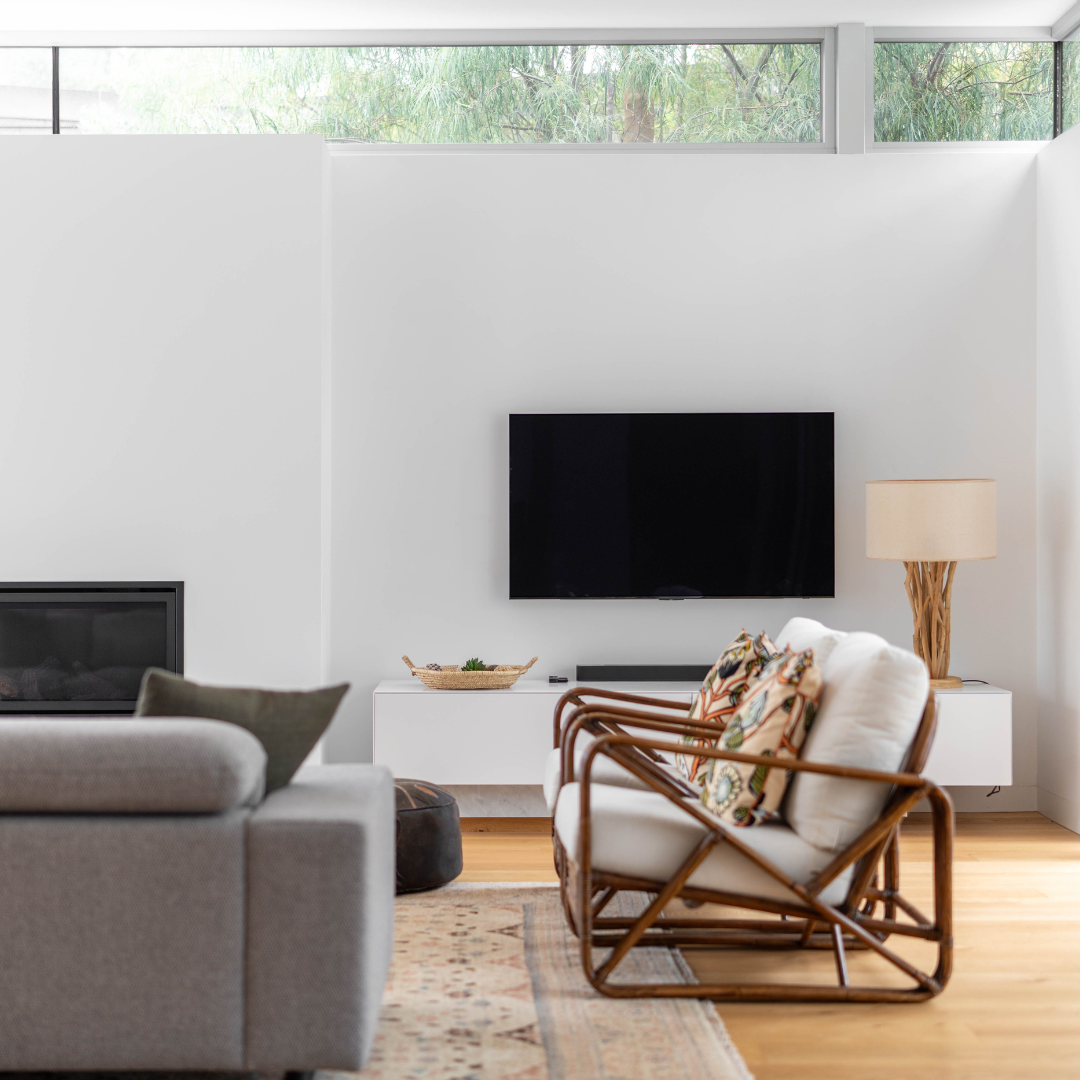
Construction itself may take 10 to 18 months
Once permits, documentation, selections, and pre-construction planning are sufficiently resolved, the on site construction phase for a custom architectural home commonly runs for around 10 to 18 months. The shorter end usually applies to more straightforward homes with clean documentation and limited site complexity, while larger or more detailed homes can take longer.
That range can shift depending on several factors:
Site access and site conditions.
Structural complexity.
Level of architectural detailing.
Extent of bespoke finishes or joinery.
Weather exposure.
Variation frequency during the build.
How complete the documentation is before commencement.
For Eighth Degree Homes, the emphasis on a structured pathway and early planning is central to reducing unnecessary disruption later in the process. The company positions its work around custom homes, major renovations, and extensions, with a strong focus on early involvement and disciplined delivery rather than late stage problem solving.
A useful rule of thumb is that a highly considered custom home should be expected to take longer than a standardised volume build because the design process, documentation demands, and level of coordination are fundamentally different. Eighth Degree Homes is positioned specifically as a boutique architectural builder for custom homes and major renovations rather than a project home company.
What usually causes delays
Delays do not always come from the same place, and many happen before construction begins. Incomplete selections, unresolved documentation, planning issues, consultant delays, and late design changes can all extend the timeline before site commencement.
Once work is underway, common causes include:
Latent site conditions such as excavation surprises or service issues.
Variations after construction has started.
Long lead time materials and custom fabrication.
Delays in client decisions on finishes or details.
Wet weather and disrupted site access.
Approval or inspection timing.
For homeowners, the most important point is that the timeline is not only a builder question. It is a project coordination question. The more aligned the design, documentation, consultant team, selections, and builder input are before site start, the more controlled the delivery is likely to be.
This is also why the early phases matter so much. Eighth Degree Homes’ published process and pre-construction support material both reinforce that projects benefit when builder input is brought in before everything is finalised in isolation.
Early planning reduces timeline risk
A realistic timeline is built through preparation, not optimism. The strongest projects are usually the ones where owners, architect, consultants, and builder have taken the time to resolve the right issues at the right stage.
That usually means:
Engaging the builder early enough to review buildability and programme risks.
Allowing time for planning advice and consultant input where needed.
Progressing documentation to a level that supports accurate pricing and smoother construction.
Making key selections before they become site critical.
Understanding that approvals and procurement can affect timing as much as physical construction.
For homeowners comparing builders, this is worth paying attention to. A shorter estimate is not always a more reliable one. In many cases, a measured timeline based on resolved information is more useful than an optimistic programme that depends on major decisions being deferred.
You can read more about Eighth Degree Homes’ our process approach if you want to understand how the project stages are structured from early planning through to construction. The business presents its work as design led, documentation aware, and process focused, which is particularly relevant on more complex architectural projects.
FAQ
How long does it take to build a custom home from start to finish?
For many projects, the full process from early design to handover can take 18 months or more, depending on approvals, documentation, complexity, and the construction period itself. The site build is only one part of the overall timeframe.
How long does the construction phase usually take?
Construction commonly takes around 10 to 18 months for a custom architectural home, although the timeframe can extend on more complex sites or highly detailed builds.
What slows a custom home project down the most?
Unresolved documentation, delayed approvals, site complexity, long lead time materials, and changes during construction are among the most common causes. Early planning helps reduce these risks, but it does not remove them entirely.
Does engaging a builder early make the project faster?
Early builder involvement does not guarantee a shorter overall programme, but it can reduce avoidable delays by improving buildability review, sequencing, documentation coordination, and decision making before site commencement.
Choosing the right timeframe for a custom home is less about finding the fastest path and more about understanding what the project actually requires. A well planned process gives you a better basis for design decisions, consultant coordination, and site delivery.
If you’re planning a $1M+ custom home or major renovation on the Mornington Peninsula, a Build Discovery Session is a practical place to start.